You have 0 items in your cart



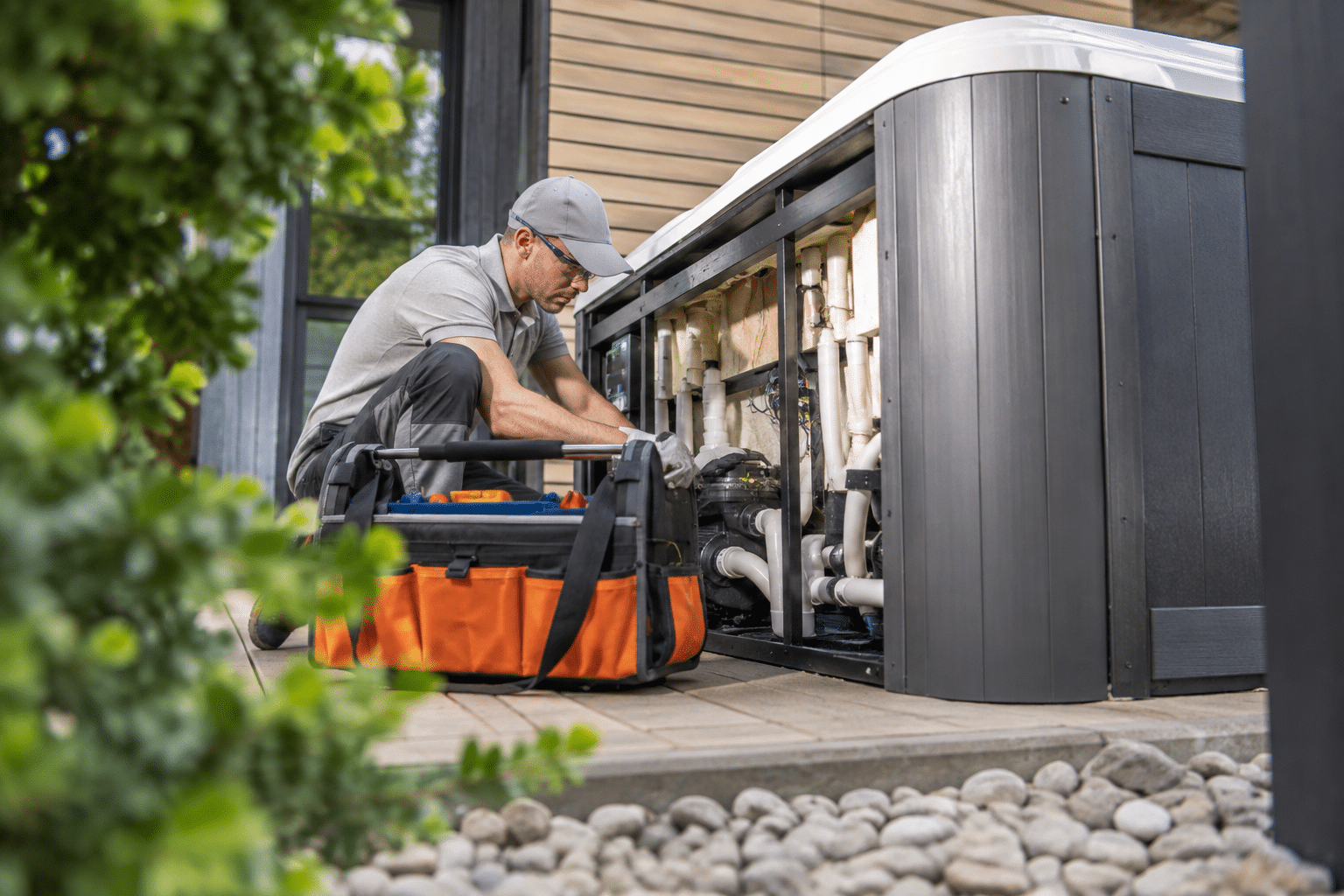
One of the biggest questions homeowners ask before buying a hot tub is simple: “Are hot tubs expensive to run?” The honest answer is that a well-insulated, properly covered spa is usually manageable, but the monthly cost depends heavily on the size of the hot tub, the season, the cover, the insulation, how often you use it, your temperature setting, and how well the water is maintained.
In London, Stratford, and surrounding Southwestern Ontario communities, the biggest operating cost is usually electricity. But it is not the only cost. A realistic hot tub budget should also include water, spa chemicals, filters, occasional repairs, cover replacement, and the difference between summer and winter operation.
This guide breaks down the real monthly cost to run a hot tub in Ontario and helps you understand what affects the bill before choosing a model from Custom LeisureScapes’ hot tub collection.
Quick answer:
A modern hot tub in London Ontario may cost roughly $55 to $160+ per month to operate when you include electricity, chemicals, filters, water, and a repair allowance. Smaller, well-insulated spas can be less. Larger spas, winter use, older covers, higher temperatures, and heavy use can push costs higher.
When people talk about the cost to run a hot tub per month, they often only mean hydro. That is useful, but it is not the full ownership picture. A hot tub is a small heated body of water that needs electricity, clean water, sanitizer, filtration, and regular maintenance.
The good news is that these costs are predictable when the spa is chosen properly. The best way to avoid surprise operating costs is to choose an efficient spa, use a quality cover, keep the water balanced, and understand how winter changes energy use.
| Monthly Cost Category | Typical Planning Range | What Affects It Most |
|---|---|---|
| Electricity / Hydro | About $25 to $90+ energy-charge estimate | Spa size, insulation, cover, season, temperature, wind, and usage |
| Chemicals | About $15 to $60 per month | Water volume, use frequency, sanitizer system, bather load, and water balance |
| Filters | About $5 to $25 per month averaged out | Filter type, cleaning habits, spa size, and replacement schedule |
| Water | Usually low per fill, often only a few dollars in volume charges | Tub size, refill frequency, top-ups, and local water/wastewater billing |
| Repair Allowance | About $10 to $45+ per month averaged out | Age of spa, warranty status, water balance, pumps, seals, heaters, cover, and controls |
The cheapest hot tub to buy is not always the cheapest hot tub to own. Insulation, cover quality, build quality, water care, and service support all affect long-term operating cost.
The easiest way to estimate hot tub hydro cost in Ontario is to multiply the hot tub’s monthly electricity use by your electricity price per kilowatt-hour.
Hot Tub Electricity Formula:
Monthly kWh used × electricity price per kWh = estimated monthly electricity cost
For a simple Ontario example, this guide uses 12.0¢ per kWh, which is the lower-tier Ontario Regulated Price Plan energy charge listed for winter 2025/2026. This is useful for estimating the energy portion of the bill, but your actual London Hydro bill can vary because delivery, taxes, rebates, rate plan, total household usage, and utility charges also matter.
| Monthly Hot Tub Usage | Energy-Charge Estimate at 12.0¢/kWh | What It Might Represent |
|---|---|---|
| 200 kWh/month | $24.00 | Small or efficient spa in milder weather |
| 350 kWh/month | $42.00 | Medium spa, average use, shoulder season or efficient winter operation |
| 500 kWh/month | $60.00 | Larger spa, colder weather, frequent use, or higher temperature setting |
| 700 kWh/month | $84.00 | Large spa, heavy winter use, poor cover, older insulation, or exposed location |
Important:
These are energy-charge estimates only. Your actual bill impact can be higher because electricity bills also include delivery, regulatory charges, taxes, rebates, and your selected rate plan.
The exact cost to run a hot tub per month depends on the model, insulation package, cover condition, water temperature, wind exposure, use pattern, and weather. Still, homeowners need a practical starting point. The table below gives realistic planning examples using the same 12.0¢/kWh energy-charge math.
| Spa Size | Example Monthly kWh: Summer | Summer Energy Estimate | Example Monthly kWh: Winter | Winter Energy Estimate |
|---|---|---|---|---|
| Small Spa 2–3 people | 180 kWh | $21.60 | 320 kWh | $38.40 |
| Medium Spa 4–6 people | 250 kWh | $30.00 | 450 kWh | $54.00 |
| Large Spa 6–8+ people | 350 kWh | $42.00 | 650 kWh | $78.00 |
Best way to read this table:
Use it as a planning calculator, not a guaranteed quote. A premium insulated spa with a tight cover may perform better than an older or poorly insulated spa. A damaged cover, high temperature setting, wind exposure, or frequent long soaks can push costs higher.
Winter is usually more expensive than summer because the spa is fighting a larger temperature difference. Holding water at 100°F to 104°F is much easier on a mild July evening than it is during a windy January night in London Ontario.
Cold air, wind, snow, longer heating cycles, and more heat loss when the cover is open can all increase electricity use. This is why the same hot tub may feel very affordable in summer but noticeably more expensive in the coldest months.
| Season | What Happens | How to Control Cost |
|---|---|---|
| Summer | Outdoor air is closer to spa temperature, so heat loss is lower | Lower the set temperature if you prefer a cooler soak |
| Fall and Spring | Cool evenings increase heating demand, but not as much as deep winter | Keep the cover sealed and avoid long uncovered periods |
| Winter | Cold air, wind, snow, and open-cover time increase energy use | Use a strong insulated cover, block wind where possible, and maintain water level and chemistry |
Winter hot tub use is one of the best parts of owning a spa in Ontario, but it is also when insulation, cover fit, wind protection, and smart temperature settings matter most.
A hot tub is constantly trying to hold heat. That means the cover and insulation are not small details. They are two of the biggest factors in hot tub electricity cost in Ontario.
A cracked, sagging, waterlogged, or poorly fitted cover can let heat and steam escape. When that happens, the heater has to work harder to maintain the same water temperature. A quality custom-fit hot tub cover helps lock in heat, reduce evaporation, shed rain and snow, and keep the spa more efficient through Ontario weather.
| Cover or Insulation Issue | How It Affects Monthly Cost |
|---|---|
| Waterlogged cover | Loses insulating value and makes the heater work harder |
| Gaps around the cover | Allows steam and heat to escape, especially in winter |
| Poor cabinet insulation | Increases heat loss through the sides, base, plumbing and cabinet |
| Exposed windy location | Wind can strip heat faster from the cover and cabinet area |
Cost-saving rule:
If your cover is heavy, cracked, sagging, waterlogged, or no longer sealing properly, replacing it may be one of the smartest energy-efficiency upgrades you can make.
Hot tub temperature directly affects operating cost. The hotter the water is compared to the outdoor air, the harder the spa has to work to hold that temperature. A spa set to 104°F will usually use more energy than the same spa set to 100°F, especially in cold weather.
The right setting depends on how you use the spa. If you soak every night, constantly dropping the temperature and reheating it may not save as much as people expect. If you are away for several days, vacation mode or a lower setting can help reduce energy use. In summer, many homeowners lower the temperature because they want a more refreshing soak.
| Temperature Strategy | Best For | Cost Impact |
|---|---|---|
| Keep steady at normal soak temperature | Daily or near-daily users | Predictable, but higher if set very hot |
| Lower a few degrees in summer | People who want a cooler warm-water soak | Can reduce heating demand |
| Vacation or economy mode | Periods away from home or long gaps between use | Can save energy when the spa will not be used for several days |
The most expensive habit is leaving the cover open, running air features longer than needed, and keeping the spa hotter than you actually enjoy.
Water is usually a smaller cost than electricity and chemicals, but it still belongs in the budget. Most residential hot tubs hold a few hundred gallons of water. In London, water and wastewater usage charges are billed by cubic metre after the initial monthly block, so the water volume for one spa fill is usually modest compared to the energy required to keep that water hot all month.
As a planning example, 1 cubic metre is about 264 US gallons. A small spa may hold under 1 cubic metre, while a larger spa may hold closer to 1.5 to 2 cubic metres. Depending on your total household water use and billing tier, the marginal water and wastewater cost of a hot tub fill is often only a few dollars to around ten dollars.
| Spa Size | Example Water Volume | Approx. Cubic Metres | Water Cost Takeaway |
|---|---|---|---|
| Small Spa | 200 gallons | About 0.76 m³ | Low volume cost per fill |
| Medium Spa | 350 gallons | About 1.32 m³ | Usually still modest compared with electricity |
| Large Spa | 500 gallons | About 1.89 m³ | Higher, but still not usually the main monthly cost |
Water planning tip:
The water itself is usually affordable. The bigger cost is heating that new water after a refill and keeping it clean once people start using the spa.
Hot tub water needs more attention than pool water because it is warm, smaller in volume, and used by people sitting close together. That means sanitizer, pH, alkalinity, calcium hardness, shock, and regular testing all matter.
A homeowner who uses the hot tub lightly may spend less on chemicals than a family that uses it daily with guests. Water-care systems, ozone, UV, mineral systems, and good filter habits can also affect how much chemical support the spa needs. You can browse Custom LeisureScapes’ spa chemicals to understand the types of products involved.
| Water-Care Item | Why It Matters | Budget Impact |
|---|---|---|
| Sanitizer | Helps keep water safe and clear | Ongoing monthly cost |
| pH and Alkalinity | Protects comfort, equipment, and sanitizer performance | Small but important |
| Shock / Oxidizer | Helps break down contaminants after use | Depends on use frequency |
| Test Strips or Test Kit | Helps avoid guessing and over-treating water | Low cost, high value |
Poor water balance can cost more than chemicals. It can shorten the life of filters, heaters, pumps, seals, covers, pillows, and interior surfaces.
Filters are not exciting, but they are essential. Dirty or worn filters make the system work harder, reduce water quality, and can increase strain on pumps and circulation. Clean filters help the spa operate more efficiently and keep the water easier to manage.
Repairs are different. A new spa under warranty may have very little repair cost for a while. An older spa may need more attention. Over time, homeowners should be prepared for things like pillows, jets, seals, gaskets, pump parts, heater elements, sensors, control components, cover lifters, and eventually a replacement cover.
| Maintenance Item | Budget Approach | Why It Matters |
|---|---|---|
| Filters | Average the annual replacement cost into your monthly budget | Clean filtration supports water quality and equipment performance |
| Small wear parts | Set aside a small monthly repair allowance | Pillows, seals, gaskets, jets, and fittings wear over time |
| Heater or pump repairs | More likely as a spa ages or if water is poorly balanced | Water chemistry and maintenance habits affect equipment life |
| Cover replacement | Plan ahead instead of waiting for the cover to fail | A failing cover can increase monthly energy cost |
Smart ownership tip:
Budgeting for maintenance does not mean the spa is expensive. It means you are avoiding surprise costs by treating the hot tub like the mechanical system it is.
The table below combines estimated electricity, chemicals, filters, water, and a repair allowance. This is a planning tool, not a quote. Your actual cost will depend on the spa model, the condition of the cover, how often you use it, water-care habits, weather, and your utility bill structure.
| Spa Size | Electricity Estimate | Chemicals | Filters / Water | Repair Allowance | Planning Total |
|---|---|---|---|---|---|
| Small Spa 2–3 people | $22–$45 | $15–$25 | $5–$15 | $10–$20 | $52–$105/month |
| Medium Spa 4–6 people | $30–$65 | $20–$40 | $7–$20 | $15–$30 | $72–$155/month |
| Large Spa 6–8+ people | $42–$95+ | $30–$60 | $10–$30 | $20–$45+ | $102–$230+/month |
If someone says a hot tub only costs $20 per month, they may be talking about mild-weather electricity only. If someone says it costs hundreds every month, they may be including repairs, poor insulation, an old cover, heavy winter use, or an inefficient older spa.
When comparing hot tubs, do not only compare seating, jet count, and price. The design of the spa affects how hard it has to work in Ontario weather. Insulation, plumbing design, cover fit, cabinet construction, base protection, circulation, and water-care systems can all affect real-world operating cost.
| Brand | Efficiency Features to Consider | Best Fit |
|---|---|---|
| Bullfrog Spas | JetPak Therapy System™, less traditional plumbing, full-foam insulation, premium covers, and efficient design focused on holding heat and reducing plumbing friction. | Homeowners who want personalized hydrotherapy with a premium efficiency-focused design. |
| MAAX Spas | BlueMAAX® eco-friendly insulation, Northern Exposure® insulation on many models, steel frame construction, sealed bases on select models, and therapeutic seating. | Homeowners who want a durable, therapeutic spa built for cold-weather performance. |
| OWOW Hot Tubs | Energy-efficient insulation, Arctic insulation packages on select models, weatherproof bases, insulated covers, and high-performance massage features for Ontario backyards. | Homeowners who want strong value, rugged Canadian-climate design, and year-round backyard use. |
Buying tip:
Ask how the spa is insulated, how the base is protected, what type of cover is included, how the plumbing is designed, and how easy the water is to maintain. These details affect the real monthly cost more than most shoppers realize.
A hot tub should be enjoyable, not stressful. The point is not to obsess over every penny. The point is to use smart habits that keep the spa efficient while still letting you enjoy it regularly.
Cost-Saving Hot Tub Checklist:
Best overall strategy:
Buy an efficient spa, maintain the water, protect the cover, and use the hot tub consistently enough that the monthly cost actually feels worth it.
Monthly operating cost is only one part of hot tub ownership. The upfront purchase, delivery, electrical preparation, accessories, and setup also need to fit the budget. For many homeowners, financing can make it easier to choose the right spa instead of settling for a less efficient option that may cost more to run over time.
Custom LeisureScapes offers access to flexible financing options, subject to approval, so homeowners can compare the purchase price and monthly ownership cost together.
The right question is not only “What does the hot tub cost today?” It is “What will this spa cost to own, use, maintain, and enjoy over the next several years?”
Hot tubs are not free to run, but a modern, well-insulated spa with a strong cover is not usually the budget shock people fear. The homeowners who tend to be happiest are the ones who understand the monthly costs before buying and choose a model that fits both their lifestyle and operating budget.
If you want the lowest possible operating cost, focus on a smaller spa, strong insulation, a tight cover, lower temperature settings when appropriate, clean filters, and consistent water care. If you want a larger entertainment spa, budget more for electricity, chemicals, filters, and future maintenance.
| If You Want… | Choose… |
|---|---|
| Lowest monthly operating cost | A smaller, well-insulated model with an excellent cover |
| Best family comfort | A medium spa with efficient insulation and easy water care |
| Premium hydrotherapy | A Bullfrog, MAAX, or OWOW model that matches your massage and efficiency goals |
| Best long-term value | A spa that balances purchase price, insulation, cover quality, support, warranty, and operating cost |
Bottom line:
Hot tub ownership is easiest when you plan for both the purchase price and the monthly operating cost. A good spa should fit your budget, your yard, your climate, and the way you actually plan to use it.
Find the Right Hot Tub for Your Budget
If you are comparing monthly hot tub costs in London Ontario, the best next step is to compare real models, not generic averages. Custom LeisureScapes can help you look at spa size, insulation, cover quality, water-care needs, hydrotherapy features, winter performance, and financing options together.
Whether you are interested in OWOW Hot Tubs, MAAX Spas, Bullfrog Spas, a replacement hot tub cover, or the right spa chemicals, the goal is the same: build a backyard wellness space that feels great and makes sense to own.
Click here to explore current hot tub options. 🛁
Want to spread out the upfront cost? View financing options here. 💳
 Optimized by Seraphinite Accelerator